

Floors: mopped. Trash can liners: changed. Surfaces: wiped.
But you still smell it, that hint of something unpleasant, lingering. No matter how much time you spend or how many cleaning products you use, it just won’t go away.
Don’t give up, there’s hope! It’s unlikely the smell you’re dealing with is surface-level. Unpleasant, underlying odors are normally caused by things you don’t see. That smell is nature’s not-so-friendly reminder that they must be addressed, but in a different way.
To create a fresh, pleasant-smelling setting, you need to know more about commercial odors. Let’s look at the five most common causes and how they can be overcome.
Why Commercial Odors Return After Cleaning
Why do commercial odors come back, even after repeated cleaning? It’s because cleaning only takes care of part of the problem—the part on the surface. Wiping the counters and mopping the floors gets rid of visible dirt, like crumbs and spills.
What truly causes unpleasant odors? To answer that question, we have to dig a little deeper, looking at a variety of sources:
- Bacteria growth
- Moisture imbalance
- Breakdown of organic matter
- Airflow issues (lack of/too much)
- Absorption (porous material/surfaces)
The unpleasant smells caused by these sources are amplified by factors like heat, humidity, and how many people use the space. Mixed together, the whole thing can be overwhelming.
You’ve probably noticed that your office smells different depending on the time of day. It’s a frustrating phenomenon that thousands of businesses struggle with daily.
To address the odors, you have to attack them at their sources. Here are some of the most common.
1. Floor Drains and Dry P-Traps
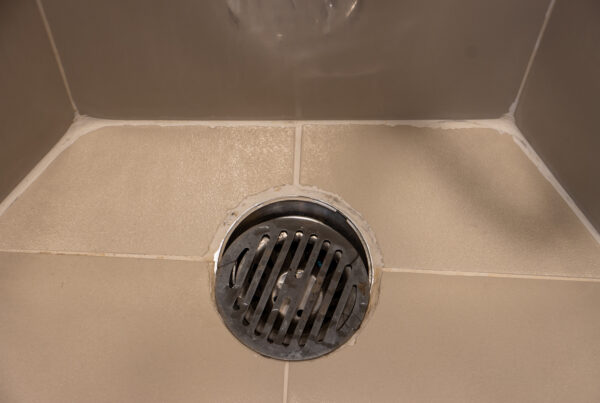
If you want to get to the bottom of unpleasant office smells, look down. Wherever water runs, odor follows.
In your space, these might be:
- Floor drains (a commonly overlooked source)
- P-traps (in sinks/toilets not used often)
In drain lines used regularly, organic material gathers. And in P-traps that aren’t used regularly, sewer gases creep in. Neither one produces a pleasant aroma.
How to keep commercial odors from returning:
- Flush water (with a cleaning agent) through drains regularly
- Use enzyme treatments on floors
- Flush toilets in seldom-used areas weekly
This approach helps ensure that unpleasant odors from floor drains or P-traps don’t overshadow the cleanliness everywhere else.
2. Restrooms (Even When They’re Clean)
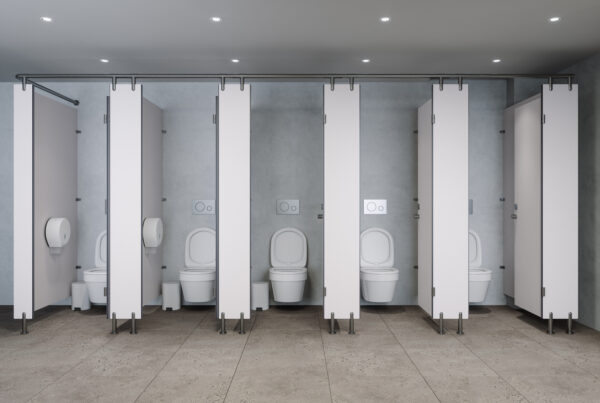
Restrooms: They’re a necessary evil, to be sure. But they can also be a differentiator for your business, a way to stand out from others in a good way.
Cleaning them comprehensively requires digging deeper to root out hidden issues. Commercial restroom odors can come from:
- Urine crystals gather in tile grout under the urinals
- Organic matter in drains
- Urine splashes on walls/dividers
- Porous flooring that absorbs moisture
Floor drains can be hard to reach, and if the floors have settled or cracked, puddles may form. Even if the bathroom floors are mopped every day, smells can persist.
You’re in luck: Aire-Master can help with urine-related odors
Aire-Master You’re N Control is a bio/enzymatic deodorant that actually attacks and breaks down organic waste.
Despite cleaning, the smells return:
- Wiping and mopping surfaces don’t kill all bacteria
- As moisture in the air rises, so do smells
- More folks using the restrooms means more aromas…and more accumulation as the day goes on
When you look at it this way, it’s easier to understand why your office bathroom smells pretty good at 9:00 am, but not so great by 3:30 pm.
Dirty bathrooms? Aire-Master Restroom Cleaners can help!
3. Trash Rooms and Waste Receptacles
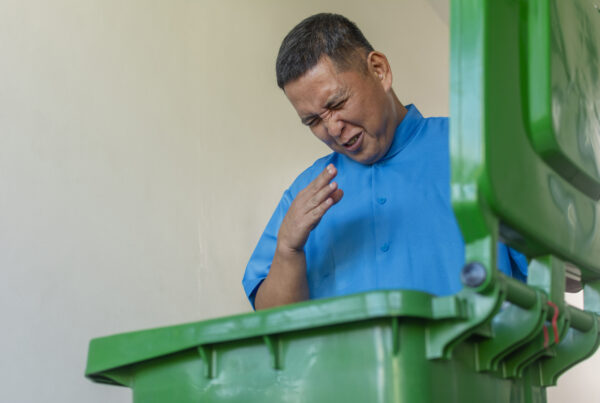
This one is no surprise: Trash stinks. It’s part of the process of organic material breaking down.
When liquids and solids mix in a trash bin, they can create some truly unpleasant smells that roll right out the trash room door. Plus, those trash bags you buy by the hundreds sometimes leak or break, compounding the problem.
Why the “stink” spreads:
- Trash bags are changed, but trash can interiors are seldom cleaned
- The warmer the room, the worse the smell (thanks to faster decomposition)
- When the door opens, the odor escapes to fill other rooms
Finding solutions to these issues will earn you the appreciation and loyalty of your customers AND employees.
Learn more in Scent Marketing for Employees.
4. HVAC Systems and Airflow Imbalances
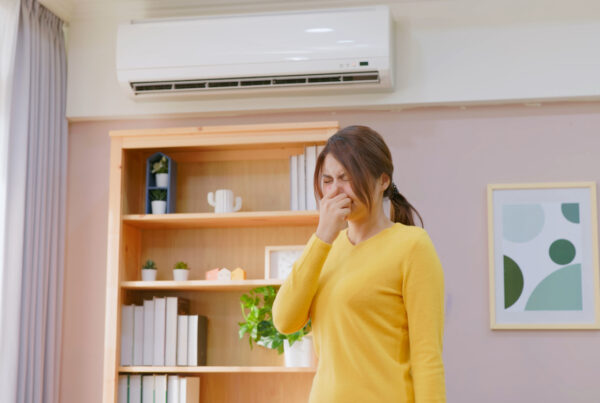
Airflow has a big influence on how comfortable people feel, and HVAC systems do a fine job managing that flow. But they’re focused on movement and temperature, not smell. And if odors exist in one part of the office, they can easily be pulled to another when the furnace kicks on.
When that happens, there’s a shift in pressure and flow that moves odors from these areas to lobbies and customer-facing areas:
- Bathrooms
- Breakrooms
- Trash rooms
Because your HVAC system’s use is dependent on weather and other factors, the odors you smell—and the times you smell them—may feel inconsistent. But knowing how HVAC can pull odors through the building may help you fend off persistent problems.
5. Carpets, Upholstery, and Porous Surfaces
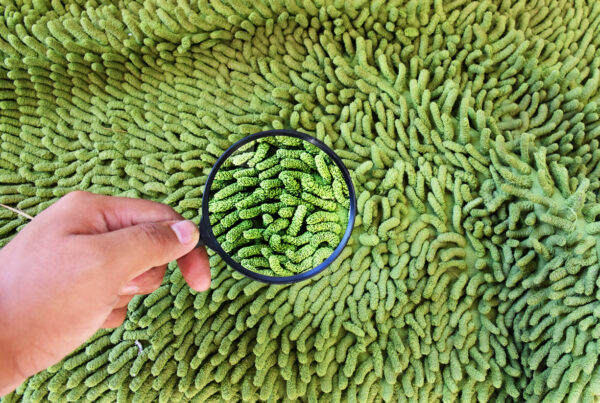
The softer the surface, the more porous it’s likely to be. If your office is full of rugs and carpeted rooms, they may be causing more issues than you realize.
Carpets are harder to clean and may trap:
- Residue from food and drink spills
- Bacteria of all kinds
- Dirt from inside and outside
- Dust accumulated over the years
- Smoke and other malodorous compounds
As the day heats up and more customers shuffle across the carpets, rugs, and porous surfaces, all sorts of odors are stirred up. If the humidity is high, the smell is amplified.
All five of these common sources of odor can be addressed with the right approach to cleaning and odor control.
The Real Problem: Reactive Odor Control
If you’re spraying room deodorizer or burning incense to cover a smell that your customers and employees complain about, you’re just reacting to the symptoms. It’s time to treat the problem at its source with a proven strategy.
From Odor Control to Scent Strategy: Changing the Environment
Taking control of the situation and turning complaints into compliments—that’s scent marketing. Odor control is a key part of the equation, but it’s not the only part. It’s time to get proactive in your approach to the question “How do I want this setting to smell?”
Sometimes called olfactory branding, scent marketing helps all kinds of businesses. Here are some of the ways:
- Leverages scent’s powerful connection to mood and memory
- Able to neutralize lingering aromas where they start
- Creates an environment you control, rather than one you react to
- Acts as a silent salesperson focused on ensuring a consistent scent experience
- Builds brand loyalty through consistency and positive association
Commercial scent marketing systems are designed to ensure consistency, preventing the ups and downs in scent intensity. And you don’t have to “go big” to get big results. You just need a scent marketing partner who knows the game.
Find out how Aire-Master scent marketing can help your business.
FAQs about Common Commercial Odors
Why do odors keep returning in commercial buildings?
Recurring odor problems in buildings usually happen because the underlying source hasn’t been fully treated. Bacteria, moisture buildup, organic residue, and airflow imbalances can continue producing odor even after cleaning. Common commercial odor sources include floor drains, restrooms, trash areas, HVAC systems, and porous surfaces like carpets that trap odor-causing particles.
What are the most common commercial odor sources?
The most common commercial odor sources include floor drains, restrooms, trash rooms, HVAC systems, and porous surfaces such as carpets or upholstery. These areas often collect moisture and organic material that produce odor-causing bacteria. Without proper treatment and ongoing facility odor control, these smells can return repeatedly even after routine cleaning.
Why does my building smell even after it’s cleaned?
If a building smells bad even after cleaning, the odor source is likely embedded below the surface. Cleaning removes visible debris but often doesn’t eliminate bacteria, moisture, or organic buildup inside drains, grout lines, carpets, or HVAC components. These hidden sources can reactivate throughout the day, causing persistent building odor.
Can HVAC systems cause recurring odor problems?
Yes, HVAC systems can contribute to recurring odor problems in buildings. Air pressure changes, dirty drain pans, moisture buildup, or shared ductwork can pull odors from restrooms, trash areas, or adjacent suites and circulate them throughout the building. Because airflow shifts throughout the day, HVAC-related odors may appear inconsistent or difficult to trace.
How can businesses prevent recurring odor problems?
Preventing recurring odor problems requires addressing both the odor source and the overall facility environment. This includes treating drains and restrooms, maintaining HVAC systems, sanitizing trash areas, and implementing professional odor management. Many businesses also use commercial scent marketing systems to maintain a consistent, controlled fragrance that prevents odor spikes.
What is the difference between odor control and scent marketing?
Odor control focuses on eliminating the source of unpleasant smells, while scent marketing uses controlled fragrance to create a consistent and welcoming environment. When used together, professional odor neutralization removes negative odors while scent marketing reinforces a pleasant sensory experience that improves customer perception and brand identity.
Why do some buildings smell worse at certain times of day?
Buildings often smell worse in the afternoon because heat, humidity, and increased occupancy activate odor molecules. HVAC cycling and higher restroom usage can also intensify lingering smells. These environmental changes can cause hidden commercial odor sources to become more noticeable as the day progresses.
Conclusion: Turning a Maintenance Issue into a Brand Asset
 Keeping floor drains and P-traps clean and working properly is a key part of odor control. So are routine restroom cleaning, monitoring trash status, awareness of airflow, and treatment of porous surfaces.
But turning complaints into compliments takes more than cleaning; it takes strategy. Trade daily anxiety for peace of mind. Partner with Aire-Master for a proactive approach to aromas.
That’s how you go from reacting to complaints to shaping perception and building brand loyalty.