
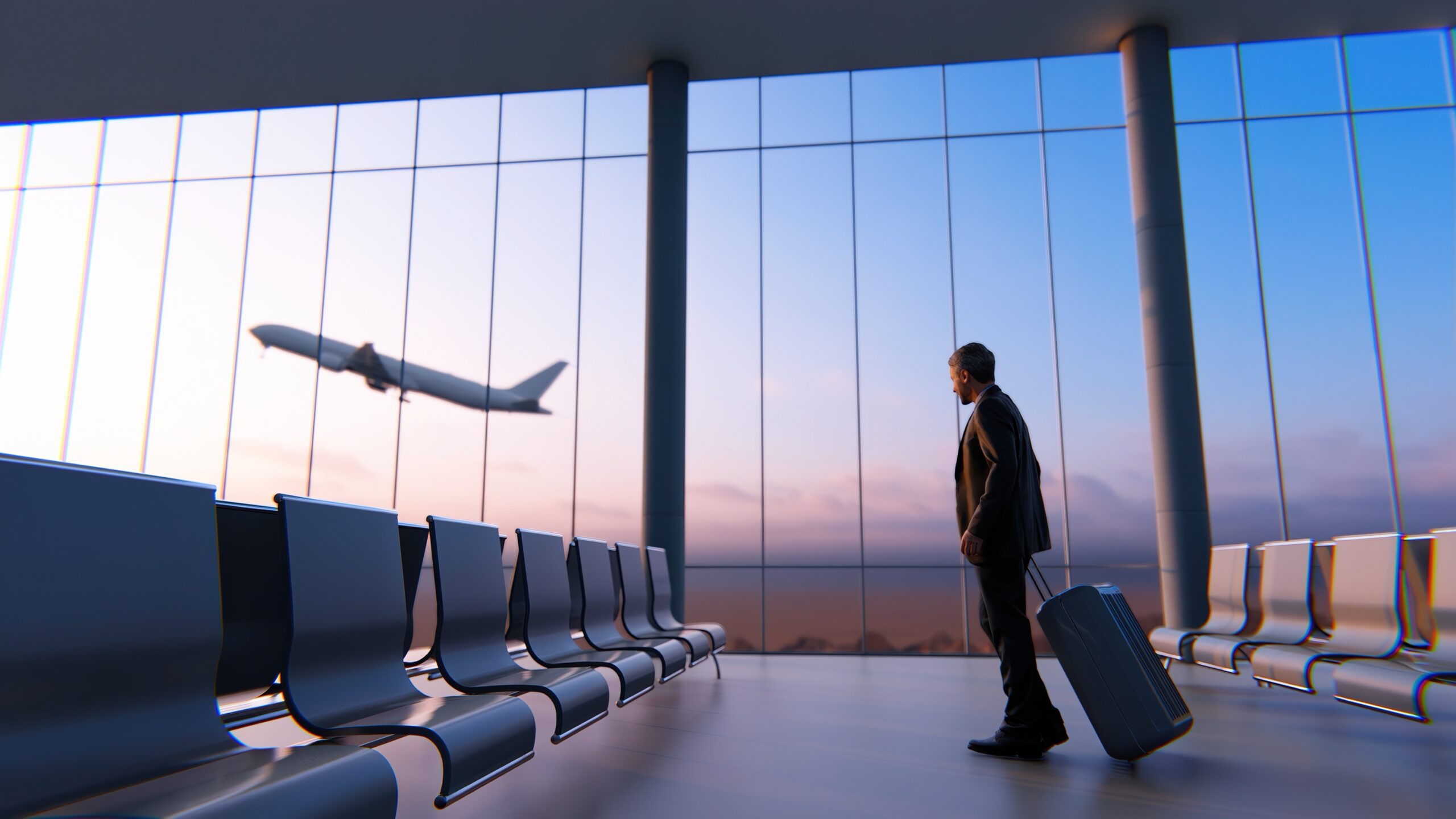
When you travel by plane, you experience more. More places and more people…and more stress. Getting from one place to another can be chaotic as you juggle confusing signage, hectic crowds, maddening delays, and gate changes.
For every airport and every airline in the world, the challenge is the same: make every customer feel as comfortable as possible while they’re in the building and on the plane. For those who fly often, you know it’s easier said than done.
More and more airports and airlines are turning to scent marketing to tackle this challenge. In the buildings and in the planes themselves, fragrances can make a big difference in how travelers feel. Amid rising competition, crowds, and costs, scent marketing is becoming an important tool for enhancing customer satisfaction.
Scent marketing sidequest! Learn more about how aromas affect the hospitality industry in our Aire-Master blog How Fragrance and Air Quality Shape Memorable Getaways.
What Is Scent Marketing in the Aviation Industry?
To understand how it can make air travel calmer, smoother, and more rewarding, you first need to understand what scent marketing is. Also called olfactory branding, it’s the modern term for creating ambience by adding aromas to the air.
True “scent branding” has a purpose—to influence how customers feel about a specific brand, service, or experience. And it’s powerful stuff. Here are five general benefits of scent marketing:
- Improves comfort
- Enhances mood
- Calms stress
- Lengthens shopping time
- Strengthens brand identity
How do those translate to airports and airlines? Improving comfort—both in the airport and in the airplane—helps enhance how customers feel about the experience. If they smell pleasant scents, their stress levels tend to drop. Increasing comfort and decreasing stress is helpful to both passengers and employees,* leading to more leisurely shopping. Which, in turn, reinforces brand identity through positive interactions.
Learn more in our Aire-Master blog Beyond Clean: How Scent Marketing and Odor Control Elevate Employee Well-Being
Passenger Psychology: How Scent Shapes Stress, Mood, and Emotional Perception
Travel by plane a few times, and you realize how emotional it can be, both good and bad. Flying itself is an amazing experience…but the crowds and logistics that come with it cause anxiety! Scent marketing helps lessen the negative aspects of the air travel experience by leveraging the power of science.
Psychological studies have revealed a key fact about the human brain: the limbic system is the control center for mood, memory, and emotion. That matters because, out of all the senses, only smell has direct access to it. This special relationship means that fragrances have an outsized influence over mood and memory, which manifests itself in several ways:
- Stress Less
Certain smells are proven to promote calm and decrease anxiety. Think eucalyptus, rosemary, chamomile, and lavender. - Mood Up
Scents specialize in turning frowns upside down. Citrus smells are ideal for this duty, providing energy and positivity. Think lemon, orange, grapefruit, and peppermint. - Feel Grounded Before Taking Off
Airports are chaotic, and a familiar aroma can help settle the nerves of anxious travelers. Think vanilla, sandalwood, amber, or baking bread. - Clean As Can Be
Clean surfaces and areas (and especially a clean scent in the air) raise customer confidence while lowering anxiety. Think citrus, eucalyptus, lily, and more.
Airports and airlines set themselves up for success by following these scent-focused cues. And when they do, customers find other queues less aggravating.
Discover exciting scents in Aire-Master’s Scent List.
Airport Signature Scents: A Powerful Tool for Identity and Differentiation
Each individual airport has its own identity. In a very real sense, each one is its own brand. And under that tent reside many other brands, from airlines to stores to services and more. It’s not easy to align them all under a unified personality, but scent marketing can help.
The ones that do it most successfully tend to have their own signature scent. A signature scent is an aroma designed specifically for one brand (as opposed to widely available scents that anyone can access). And yet, though it is singular, it is made up of many things. It’s influenced by original locale, current mission, brand promise, and more.
Consider this trio:
- Singapore Changi Airport has a signature scent called “Orchid Tea” that features florals, Asian spices, and citrus.
- Tampa International Airport used local and regional aromas (bergamot, jasmine, musk, tree moss, and more) to create its signature scent “Bamboo Tea”.
- Doha Hamad International Airport uses a series of luxury scents to create a layered, sensual journey for travelers.
Travelers make great memories on their trips. Airports that use signature scents are intent on becoming a positive part of the journey…not just bothersome bookends.
Airlines and In-flight Fragrance Strategy
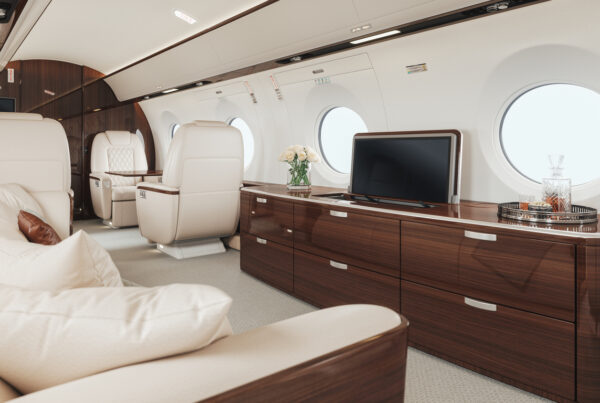
From Virgin Atlantic to Cathay Pacific, many airlines are savvy to scent marketing. Travelers are most likely to find aromatized ambience in premium cabins and lounges.
- Virgin Atlantic welcomes travelers and soothes their senses with a signature scent called “Air” featuring hints of lemon, lavender, vanilla, rose, and refreshing eucalyptus.
- Cathay Pacific uses their “Cathay scent” (with woody and floral elements, plus notes of fresh greens) to evoke a sense of warmth, luxury, and escape.
- Air France started introducing their scent, AF001, in early 2025. Its intent is to “evoke a feeling of space, calm, and light”. [SOURCE]
Like airports themselves, airlines are leaning into scent marketing to welcome travelers and help ensure a positive experience.
The Business Benefits of Scent Marketing in Airports and Airplanes
Pleasant aromas have positives, but can they really be a lever for growth? Several indicators say they can. Take a look at how core scent marketing principles fit—and benefit—airports and airlines.
1. Reduced Passenger Stress and Improved Emotional Regulation
Old Challenge: Air travel and anxiety go hand-in-hand. From long lines to cramped quarters, it’s simply hard to stay calm.
Fresh Options: The right aroma(s) can help calm the chaos by taking the tension level down a couple of notches. Benefits might include:
- Less stress
- More patience
- Actual relaxation (not just waiting and worrying)
- Smoother onboarding
- Fewer complications from claustrophobia, panic attacks, etc.
2. Increased Retail Spend Through Enhanced Dwell Time
Airports aren’t quite like malls, where customers go specifically to shop. Instead, the retail setup is opportunistic, attempting to capitalize on travelers who must pass through a corridor of stores on their way to their destination.
Scent marketing is effective in retail settings, as many studies show. It’s like a silent salesperson that works 24/7. In an airport retail landscape, it can help by:
- Encouraging passersby to stop and browse
- Subtly influencing those browsers to buy
- Enhancing moods and lifting spirits—something everyone appreciates when traveling
- Boosting customer engagement in specialty shops
- Improving perception of cleanliness
Lengthening dwell time is an effective method for airports to boost revenue, and scent branding is a great way to get there.
3. Stronger Brand Recognition and Loyalty
In a wide-open sky full of brands buzzing by, what might help a busy traveler remember yours? For an airport, a signature scent can be a touchpoint between destinations. A comforting place to come back to. And because of the powerful connection between smells and memory, it’s a great way to “brand” your airport’s identity into the minds of voyagers who’ve been there.
4. Enhanced Perception of Cleanliness and Comfort
Dirty settings turn away potential customers. That’s because one of the first ways humans judge their environment is by smell. Even if an airport or airplane looks clean, travelers subconsciously sniff the air to check.
Clean scents have all sorts of advantages:
- They make restroom visits more palatable
- They suppress and/or neutralize offensive odors
- The supplement quality sanitation efforts for a bolder, brighter sense of clean
- They make everyone feel better about being there
From classic lemon to antimicrobial eucalyptus, there is a wide range of crisp, clean scents that help boost how clean customers perceive the airport or airplane to be.
FAQs about The Perfect Professional Scent
How does scent marketing reduce passenger stress in airports?
Certain fragrance profiles, such as lavender, green tea, eucalyptus, and soft citrus, interact directly with the brain’s limbic system, helping to calm anxiety, improve mood, and create a more controlled emotional response during high-stress travel moments.
Do airports really use signature scents?
Yes. Many major international airports use signature scents to create a sense of place, enhance brand recognition, and leave travelers with a lasting positive impression. These scents are often subtly deployed in arrivals halls, lounges, and premium areas.
Is scent marketing used inside airplanes?
Some airlines use fragrance in cabins, boarding areas, and premium service elements such as warm towels or amenity kits. Inflight scenting is typically very subtle to ensure passenger comfort and avoid scent fatigue or sensitivity issues.
What types of scents work best for airports and airlines?
Clean, fresh, and calming fragrance profiles tend to perform best in aviation environments. Citrus, light florals, herbal notes, and soft woods are commonly used to promote cleanliness, relaxation, and comfort without overwhelming passengers.
Is scent marketing safe for high-traffic public spaces like airports?
When professionally designed and properly diffused, scent marketing is safe for large public environments. Modern fragrance systems allow precise control over intensity and distribution to ensure compliance with comfort and safety standards.
How can airports or airlines get started with scent marketing?
The first step is working with a professional scent marketing provider to evaluate the space, identify brand goals, and develop a fragrance strategy tailored to specific zones such as terminals, lounges, retail corridors, and restrooms.
Flying High with Scent Marketing
 How something smells affects how you feel about it. That is the core idea behind successful scent marketing. When they’re traveling through your airport or on your airline, remind fliers where they are and where they’re going with a scent to remember.
Contact Aire-Master today.