

When you eat at a restaurant, what are you looking for? Flavorful food, of course! A comfortable atmosphere where the lighting and music are just right, certainly. Entertaining companions, definitely! All are worthy elements…but the array of aromas you encounter when dining out is essential to the whole experience.
Science has clearly shown that our sense of smell is directly connected to memory and emotion. Mood, too. Foul odors and pleasant aromas have an outsized effect on how people feel. That’s why more and more eatery owners and managers are focused on a fresh branding approach: scent marketing for restaurants. It’s a great way to boost customer satisfaction, which connects directly to loyalty.
Aroma experts like Aire-Master recommend a two-pronged approach. By deploying odor control for problem areas (bathrooms, trash bins) and diffusing pleasant scents into the air in common areas (waiting rooms, dining rooms), restaurants can set the stage for culinary success. That’s good for customers, and great for your restaurant’s bottom line.
The Psychology of Scent in Dining

Our sense of smell is unique; it’s the only one of the five that’s plugged into our brain’s limbic system directly. That means things like memory and emotion, which the control center manages, are tied more tightly to scent. This helps explain how you can feel whisked back in time after encountering a particular scent from childhood, one that unlocks long-held memories. In fact, three-quarters of our daily emotions are prompted by the aromas we smell!
The science is convincing; smells really do have measurable effects, even on things like how hungry you are and how much you eat (Proserpio et al., 2017, Appetite). For many businesses, scent marketing ROI is strong. And while there’s no “one magic scent” to solve all issues, scent branding for restaurants can get more people to come in the door, to stay a little longer, and spend a little more. All because they’re comfortable in their subtly scented atmosphere.
Scent Marketing as a Revenue Driver
Restaurant owners and managers ask: Is restaurant scent marketing worth the money? It’s a fair question, and one numerous studies have tried to tackle, but from differing angles.
To answer it, the Journal of Marketing Research performed a meta-analysis of 671 studies on the subject. Looked at from a mile high, the research clearly indicated that ambient scenting led to “a substantial increase in the level of customer responses,” anywhere from 3 to 15%.
Each of these customer-focused factors is affected by scent:
- Time spent
- Comfort level
- Mood
- Memories being made
- Desire to come back
- Willingness to explore the menu
Well-chosen fragrances, deployed strategically, help ensure that guests love their experience at your restaurant. And that translates directly to the bottom line.
Balancing Food Aromas with Signature Scents

Restaurant owners and managers worry about introducing new smells, and rightly so. Nothing’s better than the smell of a freshly grilled steak! But once that lovely aroma wafts away, you don’t want newly introduced fragrances muddying the ambience.
The key is balance. You want your scent marketing efforts to blend with what already works, filling in the gaps and subtly supplementing. Consider these examples:
- A patisserie could enrich the atmosphere with gourmand fragrances like vanilla, chocolate, or marshmallow. These complementary scents mix well with what’s already in the air, adding a little without adding too much.
- A smoothie bar might see positive results from a variety of fun and fruity scents, which will go right along with their pureed pints.
- An Australian restaurant might use eucalyptus, a native plant that grows naturally in the region. Not only does it fit the brand geographically, but its antimicrobial and antioxidant properties help the whole space feel cleaner and fresher.
- The French Riviera and the Mediterranean are trending, and 85% of consumers prefer citrus-based fragrances year-round. Additionally, 64% of consumers prefer scents with a sea element, such as sea salt or ocean air, year-round. [source: TrendAroma, Metabelle 2025]
When done correctly, adding harmonious aromas can enhance appetite and make the entire experience more enjoyable. When attempted without careful research, the scents you bring to the table may push guests away, instead [Shabgou et al., 2014, IJISRT].
Odor Control: The Foundation for Scent Marketing
It’s essential to call out the distinction between odor control and ambient scenting. Both are key parts of scent marketing. Odor control comes first, setting the stage for scented success by addressing malodorous areas, such as restrooms, trash rooms, and entryways. These lingering smells, which negatively affect guest perception, have to be neutralized or eliminated before other scents can be introduced. Otherwise, you’re just covering up the problem, not solving it.
To truly address the issue, it helps to have a partner like Aire-Master. Managing bad odors has been our specialty since 1958. It’s this foundation in “step one – odor control” that allowed us to become experts in “step two – scent enhancement and olfactory branding.”
When you’re ready to set yourself up for success, get in touch. We offer scent marketing solutions for restaurants, hotels, businesses, and more. Our no-obligation, no-hassle quote is a great place to start.
Seasonal and Trend-Based Scent Strategies
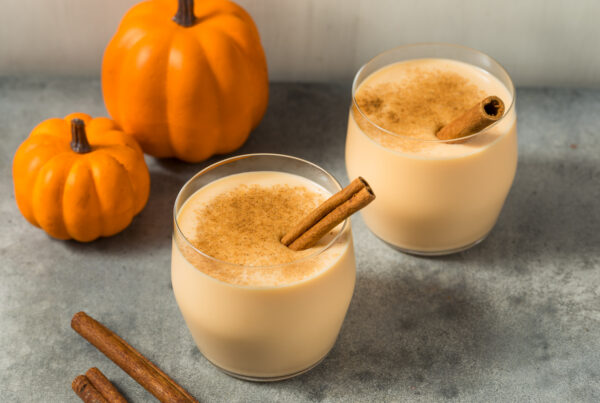
Different scents for different seasons? That’s right! It’s common practice to mix things up as the seasons change. Not only does it help refresh the mood, but special seasonal offerings (pumpkin spice and pina coladas come to mind) can help refresh the menu, too.
Here are a handful of seasonal restaurant scents to consider:
FAQs About Scent Marketing for Restaurants
Does scent marketing really increase restaurant sales?
Yes, it does. Pleasant ambient scents have been shown to enhance customer engagement by up to 15%. Translation: folks who feel satisfied with their surroundings are more likely to splurge by saying “yes” to a drink, an appetizer, or dessert.
Will scents interfere with food aromas?
It’s possible. But consulting a scent marketing expert should help you avoid this pitfall. They’re skilled at knowing what new aromas work best with odors already present. When new and natural smells mix, it’s important to ensure they complement each other, not conflict.
How do restaurants choose a signature scent?
Having a clear, strong brand identity is important when choosing a signature scent. They must align. A Mexican restaurant, for instance, might go for tropical scents like lime, coconut, or pina colada. But a signature scent—one specific to YOUR brand—needs to be unique, too. That may mean mixing scents in just the right quantities to create something new and fresh.
Can scents help with bad odors?
In more ways than one! Restaurant scent marketing relies on a two-step approach. First, you address lingering, unpleasant smells with odor control that neutralizes or eliminates them. Then, with care and subtlety, you release pleasing aromas into the air.
Conclusion: The Secret Ingredient
 Aire-Master has been helping businesses overcome scent-related challenges since 1958. All that experience has taught us a lot about how scent marketing can boost traffic, enhance customer satisfaction, and build brand loyalty.
Contact us today to get started on a signature scent for your brand.
.