

Everybody breathes. As we inhale through our noses, we’re gathering data for our brains to process through our sense of smell. Humans have been doing it for millennia; it’s instinctual. Today, we still use our sense of smell to assess our immediate environment. Smelling is a powerful way to “read” what the world around us is saying.
What does that mean for modern business fighting to succeed in a crowded, highly competitive marketplace? It means that your business DOES have a smell, and your customers are aware of it.
Learn more about Why Your Business Smells Different at Different Times of Day.
When a customer breathes in, they’re inhaling the scent of your business. They’re quickly taking it all in and judging what they smell, seeing if the aroma matches their expectations. If it’s unpleasant or off-putting, however, then it may negatively affect the customer experience. That’s the importance of smell in business.
Why Smell Matters to Customer Perception

Our bodies process the odors we breathe in almost immediately. Once inhaled, they travel to our brain’s limbic system—the part that controls mood, memory, and emotion—where receptors test them against aromas they’ve smelled before.
Customer perception is strongly impacted by this olfactory assessment. If a customer smells a pleasant aroma that they associate with positive things (bleach equals clean, citrus means fresh), they’re likely to stay and explore the store.
Dig deeper into The Psychology of Scent Marketing in Retail.
Unpleasant odors have the opposite effect. They cause potential customers to pause and ask themselves questions like:
- What is that smell?
- Is this setting safe for me?
- What does it remind me of?
- Do I want to stay here?
- Why am I feeling uncomfortable?”
Here’s the key: a lot of this happens so quickly that customers (and business owners) aren’t aware of it. They’re reacting to what their bodies tell them as part of a process that’s been finely tuned over millennia. It’s second nature to assess a space in this manner.
The bottom line is that your business has a smell, and how you manage its aroma will affect how customers feel about your brand.
Bad Odors Can Quietly Undermine Trust
Like it or not, your business’s smell sends a signal to customers. If they pick up on anything fishy during their step-in-the-door assessment, it quickly undermines the trust your brand needs to earn customer loyalty.
Here are examples of industries and the types of bad odors that would concern their customers:
- At a restaurant, dirty/chemical/cloying odors
- At a healthcare office, human waste smells like urine and feces
- At a fitness center, the scent of body odor and sweat
- At an office building, kid-friendly smells like cotton candy or bubblegum
- In a hotel, odors that are geographically out of place (pine in the tropics, pina colada in the mountains)
- In a retail location, any smell that feels contrary to the brand
The takeaway for business owners is this: finding the right smell for your business is a two-part challenge. The first part is neutralizing unpleasant odors. The second is adding an aroma that fits.
A Fresh-Smelling Business Starts With Odor Control

When you spray an air freshener to cover an unpleasant smell, that’s called “masking.” It can be effective in the short term, but it is more of a half-measure than a true solution. Proper scent marketing takes a two-pronged approach: first neutralizing bad odors and then adding scent to fresh, clean air. This strategy ensures that you’re starting with a clean slate.
Discover why scent pros call odor control The Unsung Hero of Scent Marketing.
Here’s the key question: What’s the source of unpleasant smells? Once you know that—it’s not always obvious—then you can act quickly to neutralize it. Common odor sources include:
- Bathrooms
- Trash cans/rooms
- Old carpet
- Floor drains
- And more!
Once you’ve eliminated (not masked) the stink, the more nuanced work of finding the right fragrance for your brand truly begins.
What Different Scents Can Communicate
In the world of smells, might does not make right. Strength can easily backfire, driving customers away before they can experience the brand. Instead, subtlety is key.
Your goal is to make your location feel well-kept and inviting—two things virtually every potential customer will appreciate. By starting with a nuanced approach, you’re more likely to find something that works. Start by considering popular scent categories like:
- Citrus scents are full of energy and freshness
- Green tea/herbal scents suggest nature in balance
- Warm/inviting scents like vanilla instill a sense of comfort
- Fresh scents like clean linen are simple and effective
Your scent should fit your business’s identity and help define its personality. But before we go there, it helps to know what scent challenges your business faces today.
How to Evaluate What Your Business Smells Like
To really figure out what your store smells like (to everyone who isn’t there six days a week like you are), you’ve got to step back from your role at the top. Imagine entering your store with new eyes and a new nose, like a customer walking in for the first time. That’s an impactful moment, and with the right scent in the air, you can shape that impact to your advantage.
Here are seven easy steps for evaluating how your business smells:
- Re-enter through the customer entrance
Get outside! Walk the lot. Reset. Then, go back in with a fresh nose and breathe deeply. What’s your first impression?
Is there one strong, overpowering smell? Does it seem like two or three smells are layered? Does the smell shift as the airflow changes?
- Check the areas customers use most
As the owner or manager, you have a key to every door. Don’t use it!
Instead, focus on the areas customers have access to. Take extra time in the lobby. Visit the public bathroom. Walk the floor in desultory fashion, as a customer would.
- Visit at different times of day
Many factors go into the way a building smells. Traffic, airflow, humidity, and lunch breaks can affect it. It’s not unusual for a business’s smell to shift throughout the day.
That’s why it’s important for you to alter your schedule. For a few days, go into the office at times you normally wouldn’t be there. Smell things from a new perspective.
- Notice scent transitions
As you focus your sense of smell, you’re likely to experience your store in a whole new way. You may discover that, while the building does have an overarching smell, scents shift from room to room.
Consistency is key to successful branding; smoothing out these transitions is a practical way to help instill that consistency.
- Ask someone from outside the building
You can also go beyond role-playing and ask an outsider to take a whiff. Entrust the job to someone you trust, and tell them what you’re interested in. Maybe it’s a peer in a similar role, a former coworker, or a close friend.
You’ll get valuable feedback from someone who isn’t jaded by daily exposure.
- Look for recurring odor sources
This one is pretty obvious: if a stench lingers, investigate. Find the source.
Start where the smell is strongest and look for common problem areas like drains, carpets/mats, old couches, uncleaned closets, etc.
- Ask whether the smell matches your brand
Finally, return to where the audit began. You’ve been asking yourself if your business’s smell fits your brand identity. Now, you should have the answer.
When to Consider a Professional Scent or Odor-Control Program
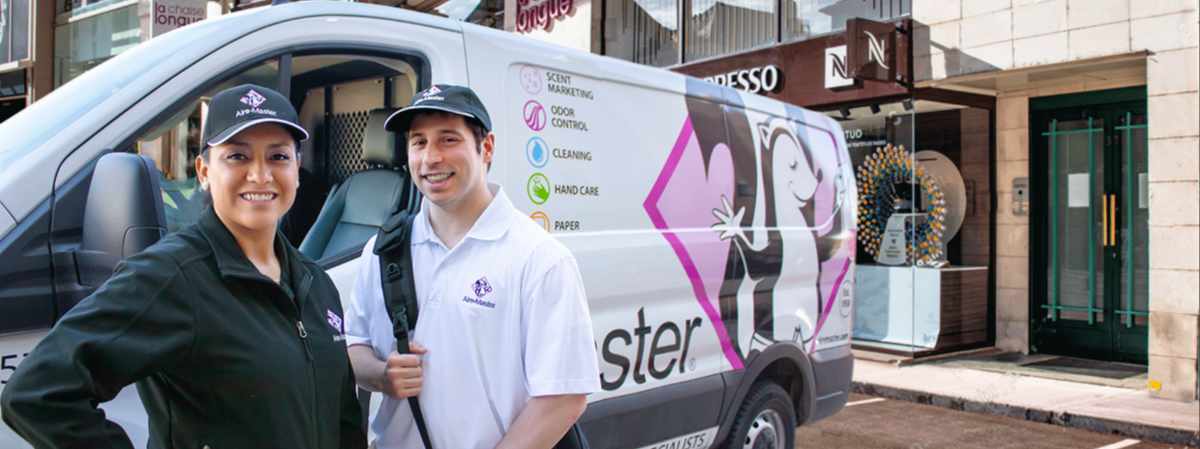
If the way your business smells doesn’t live up to your—and your customers’—expectations, it’s time to take action. You can do it yourself, or you can partner with a professional service.
The benefits of relying on a scent service are many. They’ve seen it all before, and they’re experienced in assessing what you need…and what you don’t. They can find just the right balance of odor control and scent infusion. Then all you have to do is sit back and smell the roses.
FAQs about Building Emotional Loyalty through Scent Marketing
Why is smell important in business?
Smell is important in business because it can influence how customers perceive your space before they interact with your staff, products, or services. A clean, fresh-smelling environment can support feelings of comfort, professionalism, and trust, while unpleasant odors may make a business feel poorly maintained or less welcoming.
Do customers really notice how a business smells?
Yes, customers often notice how a business smells, even if they do not mention it out loud. Scent is part of the overall first impression of a space. A customer may not consciously think, “This business smells bad,” but they may feel uncomfortable, spend less time in the space, or remember the experience negatively.
Can bad smells hurt customer perception?
Bad smells can quietly damage customer perception by creating doubt about cleanliness, maintenance, and attention to detail. Odors from restrooms, trash areas, stale air, moisture, food, or cleaning chemicals can make customers question the overall quality of the business experience.
What should a business smell like?
A business should smell clean, fresh, and appropriate for the environment. The right scent depends on the type of business, the customer experience, and the brand. For example, a medical office may need a clean and calming scent, while a retail store may benefit from something light, pleasant, and welcoming.
Is scent marketing the same as odor control?
No. Odor control focuses on reducing or eliminating unwanted smells, while scent marketing uses intentional fragrance to support the customer experience. A strong scent marketing strategy should begin with odor control, because fragrance should not be used to cover up unresolved odor problems.
What are common sources of odor in commercial buildings?
Common odor sources include restrooms, drains, trash cans, carpets, upholstery, breakrooms, kitchens, locker rooms, moisture, HVAC systems, cleaning products, and high-traffic areas. Some odors may be temporary, while others return regularly and require a more consistent odor-control plan.
Your Customers May Notice More Than You Think
 Now that you’re smelling your business from a customer’s point of view, there’s no going back. You know how important that first impression is, and you want to ensure it’s impactful in the right way.
It’s time to contact Aire-Master. They’ve been helping businesses with scent solutions since 1958. With more than 65 years of experience in safeguarding first impressions, they’re your first choice in scent marketing. Get your quote today.